
February 11, 2026
From Concept to Reality: Elevate Products With 3D Experiences
How 3D Visualization Helps Prospects See, Understand, and Engage
In architecture and construction, first impressions matter, and visuals often do the heavy lifting. Before a spec sheet is read or a sales conversation begins, your audience wants to see how a product looks, fits, and performs in the real world. The right visuals can communicate value faster, more clearly, and far more memorably than words alone, especially when enhanced with 3D capabilities that bring designs to life.
Why 3D Is Essential for Architectural Products and Building Materials Brands
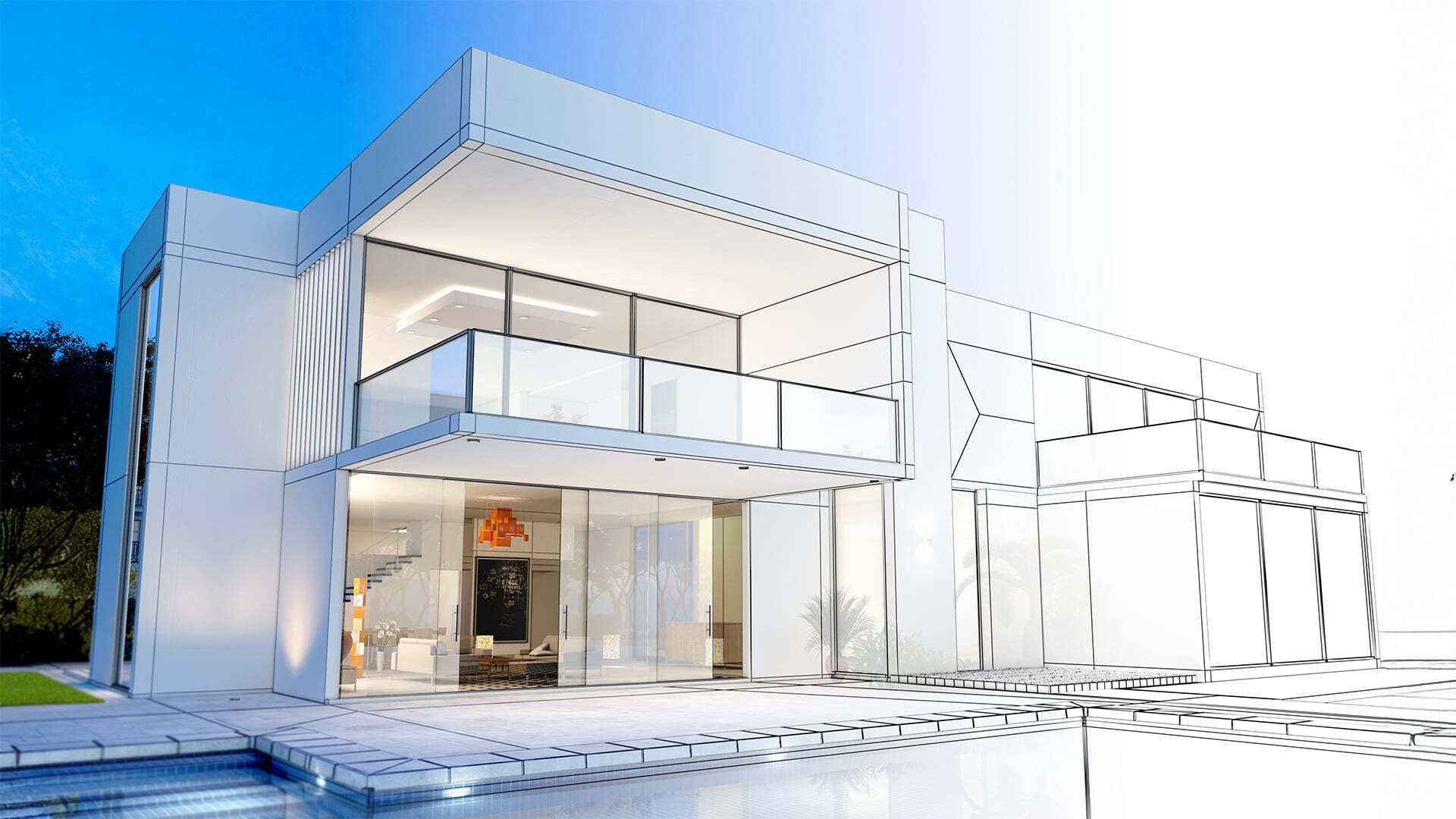
Architectural products and building materials live at the intersection of form and function, but too often, they’re presented in ways that fall flat. 3D visualization brings materials into realistic environments, showing them in interiors, exteriors, on facades, and in outdoor settings. By seeing products in place, prospects can immediately grasp scale, texture, finishes, and overall design impact, bridging the gap between the mind’s eye and reality.
Beyond aesthetics, 3D is an excellent platform for clarifying complex technical and design details. Through cut-aways, exploded views, cross sections, and animated sequences, you can clearly demonstrate product composition, performance characteristics, installation methods, and how your system integrates with others. These visuals make it easier for architects, builders, and specifiers to understand not just what your product looks like, but how it works.
From a sales perspective, 3D work can significantly increase engagement. Research shows that businesses see a 94% boost in conversions after adopting 3D configurators compared to using static images alone. Interactive models and animations capture attention longer than static imagery, boosting dwell time and improving conversion rates. At trade shows, immersive virtual reality (VR) and augmented reality (AR) experiences create memorable, hands-on interactions that draw attendees in and keep your brand top of mind long after the event.
Once created, 3D assets can be reused across multiple channels, including websites, sales presentations, VR and AR experiences, video content, social media, and even print, maximizing the return on your investment and ensuring visual consistency across touchpoints. These mockups also allow teams to iterate quickly, test ideas early, and make changes before costly mistakes occur downstream.
3D cuts through the chaos by bringing design, engineering, and marketing into sync from the start. No guesswork. No rework. Just high-impact assets that sell online, on the show floor, and face-to-face.
3D Capabilities for Building Materials Brands
3D visualization supports building materials brands across every stage of the sales journey.
- Photorealistic renderings – By placing materials within realistic interior and exterior environments, or revealing them through detailed cut-aways, these visuals help audiences understand scale, texture, and finish with clarity and confidence.
- Animations and motion graphics – Showing products in use, walking through installation steps, and illustrating performance over time all help to simplify complex concepts and bring clarity to technical details.
BLD Marketing’s digital 3D project for client AeroShield shows how 3D visuals can be used to elevate a technical product online. This detailed 3D animated video served as the hero on AeroShield’s website, enhancing the experience for users and clearly communicating the innovation’s benefits. - Virtual & Augmented Reality – VR and AR experiences allow prospects to explore spaces using your materials in an immersive, interactive environment. By visualizing products at full scale or overlaying them in real-world settings through AR, these tools support more confident and informed decision-making.
- Interactive 3D models – Interactive 3D models give prospects control, letting them explore products from every angle, customize finishes, and test lighting conditions in real time. All of this happens seamlessly within a browser or app, removing friction from the decision-making process.
- Trade show and sales enablement assets – These assets transformed into 3D content are high-impact tools for in-person selling. This includes creating high-resolution visuals, video loops, and interactive 3D demos. Designed for kiosks, large displays, and VR setups, these assets help capture attention, communicate value quickly, and support more engaging sales conversations.
- Prototyping – 3D prototyping enables products to be developed and refined digitally, using existing CAD or BIM files or models built from scratch. By visualizing concepts early and iterating quickly, teams can reduce reliance on physical mockups while improving accuracy and speed to market.
Bringing Products to Life
With deep expertise in building materials and the methods that make them sell, our team is uniquely equipped to visualize complex 3D assets with accuracy and intent. Our 3D portfolio spans cladding, glass, doors, windows, composites, and much more, balancing creative vision with technical precision to deliver visuals that are both compelling and credible. Backed by an in-house 3D team, we provide a more efficient, cost-effective process that reduces overhead, streamlines collaboration, and accelerates turnaround times.
For brands ready to elevate how their products are seen and understood, we offer a collaborative approach to 3D visualization. Through an initial consultation, we review existing design files, technical specifications, or early concepts to identify the right mix of 3D rendering, animation, and AR/VR experiences to support sales, marketing, and business growth goals.
Ready to get started?
Reach Out
'%3e%3ccircle%20id='Ellipse_28'%20data-name='Ellipse%2028'%20cx='27.5'%20cy='27.5'%20r='27.5'%20transform='translate(287%20377)%20rotate(90)'%20fill='%23e31837'/%3e%3cpath%20id='Path_86737'%20data-name='Path%2086737'%20d='M-246.291,558.851l-6.551-6.552a1.441,1.441,0,0,0-2.038,0,1.442,1.442,0,0,0,0,2.039l4.07,4.07h-9.929a1.442,1.442,0,0,0-1.441,1.442,1.441,1.441,0,0,0,1.441,1.441h9.971l-4.071,4.072a1.441,1.441,0,0,0,0,2.038,1.433,1.433,0,0,0,1.019.422,1.433,1.433,0,0,0,1.019-.423l6.51-6.511A1.441,1.441,0,0,0-246.291,558.851Z'%20transform='translate(513.18%20-154.877)'%20fill='%23fff'/%3e%3c/g%3e%3c/svg%3e)
%20rotate(180)'%3e%3ccircle%20id='Ellipse_28'%20data-name='Ellipse%2028'%20cx='27.5'%20cy='27.5'%20r='27.5'%20transform='translate(287%20377)%20rotate(90)'%20fill='%23e31837'/%3e%3cpath%20id='Path_86737'%20data-name='Path%2086737'%20d='M-246.291,558.851l-6.551-6.552a1.441,1.441,0,0,0-2.038,0,1.442,1.442,0,0,0,0,2.039l4.07,4.07h-9.929a1.442,1.442,0,0,0-1.441,1.442,1.441,1.441,0,0,0,1.441,1.441h9.971l-4.071,4.072a1.441,1.441,0,0,0,0,2.038,1.433,1.433,0,0,0,1.019.422,1.433,1.433,0,0,0,1.019-.423l6.51-6.511A1.441,1.441,0,0,0-246.291,558.851Z'%20transform='translate(513.18%20-154.877)'%20fill='%23fff'/%3e%3c/g%3e%3c/svg%3e)
Let’s talk.
Have a specific marketing challenge? Looking for a new agency?
We’d love to hear from you.
