
January 13, 2026
Building Trust and Credibility with Digital Marketing
Mastering the Mechanics of Digital Authority
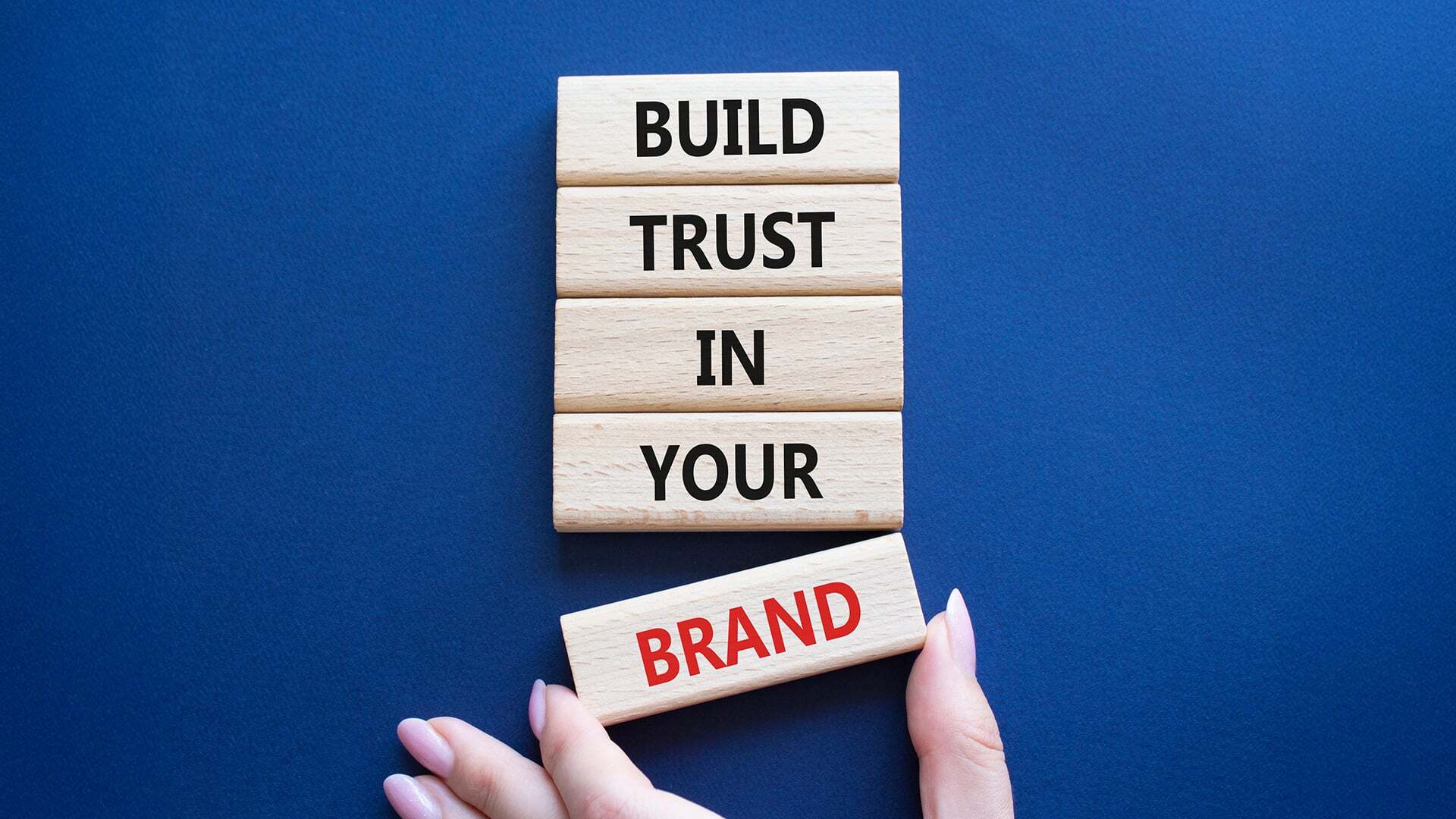
Trust matters, especially to younger buyers. According to Forbes, four out of five millennials choose brands they trust, and three out of five baby boomers do the same. Lose that trust, and customers are quick to switch to a competitor.
In a digital first-world, trust isn’t built from a single experience; it’s earned through every interaction. From a website visit or a social media post, to an email or search result, digital touchpoints collectively shape how credible a brand looks and feels. Consistent branding, transparent messaging, meaningful content, and social proof all shape brand perception and credibility. Brands that show up authentically and consistently earn loyalty. Those that don’t risk losing trust and relevance in an increasingly competitive market.
Transparent Communication: Building the Foundation
Honesty and clarity consistently outperform exaggerated claims because today’s buyers are more informed, skeptical, and quick to verify what brands say. Overpromising may gain short-term attention, but it will often lead to disappointment when expectations fall short of reality.
In the building industry, unclear or exaggerated claims can lead to consequences such as specification errors, compliance issues, or even costly maintenance. Clear product information helps architects, engineers, and builders reduce risk, meet code requirements, and deliver long-term performance.
On the other hand, transparent messaging builds credibility, particularly when a brand’s word aligns with action. When customers feel like they’re being told the full story, they’re more likely to trust the brand and proceed with confidence.
Consistent Branding Across All Digital Touchpoints
Consistent branding plays a critical role in how your audience perceives your credibility. Visual and verbal consistency across logos, colors, typography, tone, and messaging all serve as a signal for professionalism and reliability.
When a brand looks and sounds the same across platforms, it creates stability and confidence. Inconsistencies, however, can make a brand feel disorganized or unreliable, undermining trust before a buyer ever engages.
Aligning brand voice across websites, social media, email, and digital advertising ensures a cohesive experience throughout the buyer journey. It is also important to extend this messaging to earned media and content efforts, making sure key points are reflected in spokesperson talking points and resulting media coverage. Whether someone is reading a blog post, scrolling social media, or opening an email, the brand’s personality and values should feel familiar. This consistency strengthens recognition and reinforces positioning, making each interaction feel intentional rather than fragmented.
Avoiding mixed messages is equally important. Conflicting claims, outdated content, or shifts in tone can create confusion and doubt, calling a brand’s credibility into question. For building material manufacturers whose products are often relied upon for protecting buildings and occupants, reputation is everything. Clear, unified communication removes uncertainty and helps specifiers and buyers move forward with confidence.
Familiarity and repetition aid in reinforcing trust over time. This lays the foundation for long-term loyalty and stronger relationships with customers, stakeholders, and even internal parties.
The Power of Third-Party Validation
In today’s world of savvy, skeptical audiences, endorsements from trusted third parties aren’t just a bonus, they’re essential for establishing your brand as one that is credible. Reviews, testimonials, media coverage, and industry partnerships all provide independent confirmation that a brand delivers on its promises.
Unlike self-promotion, these external endorsements signal authenticity and reduce perceived risk when a buyer is considering purchasing from or working with your organization. This is one reason why influencers are so popular amongst today’s audiences, especially in the building and construction space
When prospective customers see real-world success stories, a credible logo, or trusted publications vouching for a brand, it reinforces confidence and accelerates decision-making. Strategically showcasing these third-party validations across websites, content, and social channels turns credibility into a powerful asset. From an owned media perspective, case studies and testimonial-style videos are examples of useful tools to capture valuable third-party feedback
Website Experience & Technical Credibility
A brand’s website is often the first touchpoint for potential customers, and a good one plays a critical role in establishing your credibility as an organization. A well-designed website should offer a seamless experience that makes information not only easy to find, but easy to understand.
For technical products, like those in construction or engineering, credibility also comes from demonstrating expertise through accurate specifications, downloadable resources, and clear explanations of performance benefits. Even small details like accessible layouts, clear calls-to-action, and responsive mobile design help establish authority.
This same clarity and structure is increasingly essential for winning the AI-driven search. When pulling answers to specifiers questions, AI tools prioritize well-organized, factual content. Pages that include precise terminology, structured data, and authoritative documentation are more likely to be cited, summarized, and recommended by AI. This can place your brand in front of decision-makers earlier in the research process.
Content: Establishing Authority, Not Just Awareness
Focusing on content that demonstrates expertise and delivers real value takes the idea of raising awareness across the finish line. Educational content – like how-to guides, case studies, and thought leadership pieces – positions your brand and its people as knowledgeable experts, not just a manufacturer selling products.
Sharing your process and methodology can further strengthen credibility, whether by showing how a product performs under real-world conditions or revealing the development behind new innovative solutions.
Ultimately, authority-driven content shifts your audience’s perception from “Who are you?” to “How can you help me succeed?” – laying the foundation for long-term loyalty.
Trust is Built, Not Claimed
Building a credible brand isn’t about a single “hero” moment; it’s about the cumulative power of each touchpoint. From the precision of your website to the consistency of your voice and third-party proof, every detail either builds a bridge to credibility or creates a barrier. By aligning your digital presence with your actual expertise, you do more than just capture attention, you earn the right to lead the conversation.
Now is the time to audit your touchpoints. Is your building materials brand signaling the authority you’ve worked so hard to establish?
'%3e%3ccircle%20id='Ellipse_28'%20data-name='Ellipse%2028'%20cx='27.5'%20cy='27.5'%20r='27.5'%20transform='translate(287%20377)%20rotate(90)'%20fill='%23e31837'/%3e%3cpath%20id='Path_86737'%20data-name='Path%2086737'%20d='M-246.291,558.851l-6.551-6.552a1.441,1.441,0,0,0-2.038,0,1.442,1.442,0,0,0,0,2.039l4.07,4.07h-9.929a1.442,1.442,0,0,0-1.441,1.442,1.441,1.441,0,0,0,1.441,1.441h9.971l-4.071,4.072a1.441,1.441,0,0,0,0,2.038,1.433,1.433,0,0,0,1.019.422,1.433,1.433,0,0,0,1.019-.423l6.51-6.511A1.441,1.441,0,0,0-246.291,558.851Z'%20transform='translate(513.18%20-154.877)'%20fill='%23fff'/%3e%3c/g%3e%3c/svg%3e)
%20rotate(180)'%3e%3ccircle%20id='Ellipse_28'%20data-name='Ellipse%2028'%20cx='27.5'%20cy='27.5'%20r='27.5'%20transform='translate(287%20377)%20rotate(90)'%20fill='%23e31837'/%3e%3cpath%20id='Path_86737'%20data-name='Path%2086737'%20d='M-246.291,558.851l-6.551-6.552a1.441,1.441,0,0,0-2.038,0,1.442,1.442,0,0,0,0,2.039l4.07,4.07h-9.929a1.442,1.442,0,0,0-1.441,1.442,1.441,1.441,0,0,0,1.441,1.441h9.971l-4.071,4.072a1.441,1.441,0,0,0,0,2.038,1.433,1.433,0,0,0,1.019.422,1.433,1.433,0,0,0,1.019-.423l6.51-6.511A1.441,1.441,0,0,0-246.291,558.851Z'%20transform='translate(513.18%20-154.877)'%20fill='%23fff'/%3e%3c/g%3e%3c/svg%3e)
Let’s talk.
Have a specific marketing challenge? Looking for a new agency?
We’d love to hear from you.
